DV Experts, LLC


A Rare Victory for Children Exposes Why Family Courts Usually Fail Abuse Victims
Barry Goldstein is the co-author with Elizabeth Liu of Representing the Domestic Violence Survivor REPRESENTING THE DOMESTIC VIOLENCE SURVIVOR, co editor with Mo Therese Hannah of DOMESTIC VIOLENCE, ABUSE and CHILD CUSTODY and author of SCARED TO LEAVE AFRAID TO STAY. He has been an instructor and supervisor in a NY Model Batterer Program since 1999. He was an attorney representing victims of domestic violence for 30 years. He now provides workshops, judicial and other trainings regarding domestic violence particularly related to custody issues. He also serves as a consultant and expert witness.
Barry's new book, The Quincy Solution: Stop Domestic Violence and Save $500 Billion demonstrates how we can dramatically reduce domestic violence crime with proven practices.
Contact Barry today to speak at your event, consult or as an expert witness!
In addition to conducting expert witness work along with Barry Goldstein, Veronica York is a Certified High Conflict Divorce Coach and advocate for reform in the family court system. After a 20-year career in Sales and Marketing within the Television Industry, she was driven by personal experience to help others navigate the challenges of custody disputes involving domestic violence and child abuse. As a survivor herself, Veronica understands the deep flaws within the system—where father's rights often outweigh child safety. She holds advanced training in Family Law Mediation and frequently speaks and writes about: the current scientific research in the context of Domestic Violence and Child Custody, the misuse of Parental Alienation in family court, and Post-Separation Abuse. Her mission is to create a family court system that prioritizes the safety, well-being, and voices of survivors and their children.
We won our relocation case ...The judge understood everything! …I am so happy. She said she found it so "disturbing" that the DV was so minimized (probably a side eye to the GAL) because she doesn't think that DV just goes away because the parties don't live together. That he took no responsibility, no accountability, didn't do the therapy, continued to have excuse after excuse and that there are new allegations about his home life don't speak to any meaningful change. I mean it was all so beautiful.
Thank you for your unwavering patience and support through this difficult process. The judge provided her ruling yesterday ... I got the move away and they kept the restraining order in place for both my daughter and me. I could not hold back my tears as the judge read specific messages of harassment from my ex-husband in her ruling. It was very hard to listen to…Even though we did not end up requiring your testimony, the fact that we had presented you as a witness kept the opposing counsel on their heels. Thanks so much, God bless both of you.
The judge listened to Barry and the relevant info…Thanks to you both for your fantastic work on this case and the support.
I just wanted to say thank you for your testimony yesterday. I know that the judge prides herself on her knowledge of DV but the information you provided I believe made her take a step back and rethink what she is going to do in this matter.
In a time where there is no shortage of misconceptions and a general lack of understanding surrounding domestic abuse and the effects of trauma on survivors and their children within local justice systems, Barry Goldstein has the experience and expertise to shed light on this very important issue. Having personally worked with Mr. Goldstein as an expert witness, I can speak to the justice that occurs for abuse survivors and the children at issue as a direct result of Mr. Goldstein's insight and expert opinions contributing to the evidence before the court. I highly recommend Mr. Goldstein for any party or attorney in need of an expert to establish the dynamics of abuse and effects of trauma for their bench officer.

Legal, Medical, Social, and Faith-Based Strategies for Protecting Children and Families
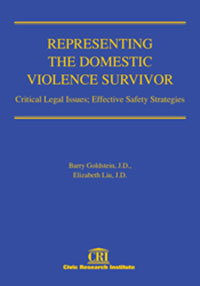
Designed to train attorneys how to litigate domestic violence cases.
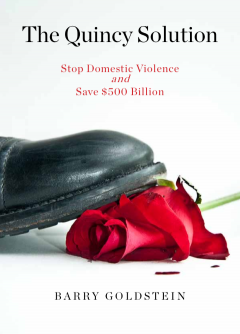
When was the last time you were filled with hope?
How about right now?
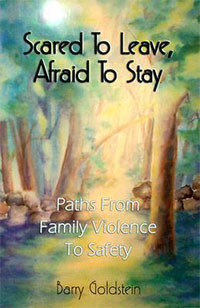
Paths from family violence to safety.
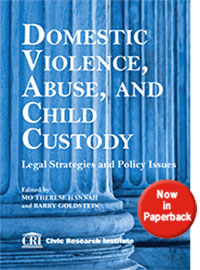
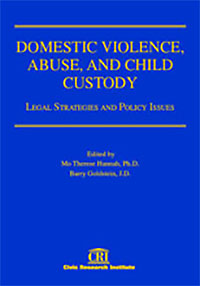
Legal strategies and policy issues.
Designed to train attorneys how to litigate domestic violence cases.